
Weight loss
Clinician-guided body-composition care.
Prescription required · eligibility varies

Care options
Clinician-guided body-composition care.
Prescription required · eligibility varies

Clinician-guided care options.
May include compounded medication · not FDA-approved
Treatment requires clinical evaluation. Not all patients qualify. Compounded medications are not FDA-approved.
Begin with a private assessment, not a diagnosis.
Establish a clearer picture before decisions are made.
Review your history, results, eligibility, and options.
Treatment is prescribed only when clinically appropriate.
Swipe to explore

Compare blood test panels and optional add-ons. Explore the listed markers and sex-specific variants; ask your care team about pricing for additional options.
35 listed biomarkers · 31 per sex-specific panel
Counts include measured and calculated entries. Sex-specific groups are alternatives, not additional tests everyone receives. Your clinician confirms the applicable panel.
Measures cholesterol carried by high-density lipoproteins.
Helps put cardiovascular risk in context as you age; interpretation uses the complete lipid profile and your history.
Learn more (MedlinePlus, new tab)Measures circulating fats used by the body for energy storage.
Helps put cardiovascular risk in context as you age; interpretation uses the complete lipid profile and your history.
Learn more (MedlinePlus, new tab)Measures the pituitary signal that regulates thyroid-hormone production.
Adds context to thyroid function, which can affect energy, heart rhythm, and bone health during aging.
Learn more (MedlinePlus, new tab)Reflects average blood-glucose exposure over roughly the previous two to three months.
Helps your clinician assess metabolic health and changes over time.
Learn more (MedlinePlus, new tab)Measures the principal protein found on LDL and other atherogenic lipoprotein particles.
Helps put cardiovascular risk in context as you age; interpretation uses the complete lipid profile and your history.
Learn more (MedlinePlus, new tab)Measures low concentrations of a liver-produced protein that rises with inflammation.
Provides context about inflammation, which has many causes; it does not diagnose a condition on its own.
Learn more (MedlinePlus, new tab)Measures the main circulating form used to assess vitamin D status.
Helps assess nutritional status relevant to blood, nerve, and bone health over time.
Learn more (MedlinePlus, new tab)Measures an iron-storage protein that helps provide context on the body’s iron reserves.
Helps assess nutritional status relevant to blood, nerve, and bone health over time.
Learn more (MedlinePlus, new tab)Measures an adrenal androgen that serves as a precursor to other sex hormones.
Adds context to hormone changes and treatment monitoring; age, symptoms, medicines, and timing affect interpretation.
Learn more (MedlinePlus, new tab)Provides an estimate of how much insulin the body is producing on its own.
Helps your clinician assess metabolic health and changes over time.
Learn more (MedlinePlus, new tab)Measures cholesterol across the major lipoprotein fractions in the blood.
Helps put cardiovascular risk in context as you age; interpretation uses the complete lipid profile and your history.
Learn more (MedlinePlus, new tab)Measures or estimates cholesterol carried by very-low-density lipoproteins.
Helps put cardiovascular risk in context as you age; interpretation uses the complete lipid profile and your history.
Learn more (MedlinePlus, new tab)Compares circulating triglycerides with HDL cholesterol as part of a broader metabolic review.
A calculated comparison for clinical context. Its usefulness depends on the underlying tests and clinical situation; it is not a validated measure of lifespan.
Learn more (MedlinePlus, new tab)Compares total cholesterol with HDL cholesterol.
A calculated comparison for clinical context. Its usefulness depends on the underlying tests and clinical situation; it is not a validated measure of lifespan.
Learn more (MedlinePlus, new tab)Measures cortisol in a morning sample; collection time matters when interpreting the result.
Helps your clinician assess metabolic health and changes over time.
Learn more (MedlinePlus, new tab)Measures the primary protein carried by HDL particles.
Helps put cardiovascular risk in context as you age; interpretation uses the complete lipid profile and your history.
Learn more (MedlinePlus, new tab)Uses lipid-panel values to calculate an estimated VLDL cholesterol level.
Helps put cardiovascular risk in context as you age; interpretation uses the complete lipid profile and your history.
Learn more (MedlinePlus, new tab)Compares LDL cholesterol with HDL cholesterol.
A calculated comparison for clinical context. Its usefulness depends on the underlying tests and clinical situation; it is not a validated measure of lifespan.
Learn more (MedlinePlus, new tab)Translates the A1C result into an estimated average glucose value.
Helps your clinician assess metabolic health and changes over time.
Learn more (MedlinePlus, new tab)Compares estimated LDL cholesterol with the number-related ApoB measure.
A calculated comparison for clinical context. Its usefulness depends on the underlying tests and clinical situation; it is not a validated measure of lifespan.
Learn more (MedlinePlus, new tab)Compares an androgen with a stress-response hormone as part of a broader hormone review.
A calculated comparison for clinical context. Its usefulness depends on the underlying tests and clinical situation; it is not a validated measure of lifespan.
Learn more (MedlinePlus, new tab)Compares atherogenic-particle protein with the primary HDL-particle protein.
A calculated comparison for clinical context. Its usefulness depends on the underlying tests and clinical situation; it is not a validated measure of lifespan.
Learn more (MedlinePlus, new tab)Compares two adrenal hormones to add context to stress-response and hormone patterns.
A calculated comparison for clinical context. Its usefulness depends on the underlying tests and clinical situation; it is not a validated measure of lifespan.
Learn more (MedlinePlus, new tab)Estimates the cholesterol carried by low-density lipoproteins.
Helps put cardiovascular risk in context as you age; interpretation uses the complete lipid profile and your history.
Learn more (MedlinePlus, new tab)Measures a largely inherited LDL-like particle that contains apolipoprotein(a).
Helps put cardiovascular risk in context as you age; interpretation uses the complete lipid profile and your history.
Learn more (MedlinePlus, new tab)Reports hemoglobin from capillary blood using the provider’s HbA1c method. This is a different catalog entry from the blood-count hemoglobin measurement.
Helps assess blood-cell health and changes during treatment; interpretation uses the other blood-count results.
Learn more (MedlinePlus, new tab)Reports an estimated red-blood-cell fraction of capillary blood. This calculated value is distinct from the blood-count hematocrit entry.
Helps assess blood-cell health and changes during treatment; interpretation uses the other blood-count results.
Learn more (MedlinePlus, new tab)Measures bound and unbound testosterone using the male reference context.
Adds context to hormone changes and treatment monitoring; age, symptoms, medicines, and timing affect interpretation.
Learn more (MedlinePlus, new tab)Measures a major blood protein that helps provide context on fluid balance, liver function, and nutrition.
Helps your clinician assess metabolic health and changes over time.
Learn more (MedlinePlus, new tab)Measures the protein that binds and transports testosterone and estradiol.
Adds context to hormone changes and treatment monitoring; age, symptoms, medicines, and timing affect interpretation.
Learn more (MedlinePlus, new tab)Estimates the portion of testosterone not tightly bound to carrier proteins.
Adds context to hormone changes and treatment monitoring; age, symptoms, medicines, and timing affect interpretation.
Learn more (MedlinePlus, new tab)Measures a pituitary hormone involved in ovarian, testicular, and reproductive function.
Adds context to hormone changes and treatment monitoring; age, symptoms, medicines, and timing affect interpretation.
Learn more (MedlinePlus, new tab)Measures a primary form of estrogen using a method suited to lower concentration ranges.
Adds context to hormone changes and treatment monitoring; age, symptoms, medicines, and timing affect interpretation.
Learn more (MedlinePlus, new tab)Measures a pituitary hormone involved in ovulation and sex-hormone production.
Adds context to hormone changes and treatment monitoring; age, symptoms, medicines, and timing affect interpretation.
Learn more (MedlinePlus, new tab)Compares two pituitary hormones to provide additional reproductive-hormone context.
A calculated comparison for clinical context. Its usefulness depends on the underlying tests and clinical situation; it is not a validated measure of lifespan.
Learn more (MedlinePlus, new tab)These tests provide clinical information, not a prediction of lifespan. Results need interpretation alongside your symptoms, history, and other findings.
65 listed biomarkers · male panel 62, female panel 61
Counts include measured and calculated entries. Sex-specific groups are alternatives, not additional tests everyone receives. Your clinician confirms the applicable panel.
Measures cholesterol carried by high-density lipoproteins.
Helps put cardiovascular risk in context as you age; interpretation uses the complete lipid profile and your history.
Learn more (MedlinePlus, new tab)Measures circulating fats used by the body for energy storage.
Helps put cardiovascular risk in context as you age; interpretation uses the complete lipid profile and your history.
Learn more (MedlinePlus, new tab)Measures the pituitary signal that regulates thyroid-hormone production.
Adds context to thyroid function, which can affect energy, heart rhythm, and bone health during aging.
Learn more (MedlinePlus, new tab)Reflects average blood-glucose exposure over roughly the previous two to three months.
Helps your clinician assess metabolic health and changes over time.
Learn more (MedlinePlus, new tab)Measures the principal protein found on LDL and other atherogenic lipoprotein particles.
Helps put cardiovascular risk in context as you age; interpretation uses the complete lipid profile and your history.
Learn more (MedlinePlus, new tab)Measures low concentrations of a liver-produced protein that rises with inflammation.
Provides context about inflammation, which has many causes; it does not diagnose a condition on its own.
Learn more (MedlinePlus, new tab)Measures the main circulating form used to assess vitamin D status.
Helps assess nutritional status relevant to blood, nerve, and bone health over time.
Learn more (MedlinePlus, new tab)Measures an iron-storage protein that helps provide context on the body’s iron reserves.
Helps assess nutritional status relevant to blood, nerve, and bone health over time.
Learn more (MedlinePlus, new tab)Measures an adrenal androgen that serves as a precursor to other sex hormones.
Adds context to hormone changes and treatment monitoring; age, symptoms, medicines, and timing affect interpretation.
Learn more (MedlinePlus, new tab)Provides an estimate of how much insulin the body is producing on its own.
Helps your clinician assess metabolic health and changes over time.
Learn more (MedlinePlus, new tab)Measures cholesterol across the major lipoprotein fractions in the blood.
Helps put cardiovascular risk in context as you age; interpretation uses the complete lipid profile and your history.
Learn more (MedlinePlus, new tab)Measures or estimates cholesterol carried by very-low-density lipoproteins.
Helps put cardiovascular risk in context as you age; interpretation uses the complete lipid profile and your history.
Learn more (MedlinePlus, new tab)Compares circulating triglycerides with HDL cholesterol as part of a broader metabolic review.
A calculated comparison for clinical context. Its usefulness depends on the underlying tests and clinical situation; it is not a validated measure of lifespan.
Learn more (MedlinePlus, new tab)Compares total cholesterol with HDL cholesterol.
A calculated comparison for clinical context. Its usefulness depends on the underlying tests and clinical situation; it is not a validated measure of lifespan.
Learn more (MedlinePlus, new tab)Measures cortisol in a morning sample; collection time matters when interpreting the result.
Helps your clinician assess metabolic health and changes over time.
Learn more (MedlinePlus, new tab)Measures the primary protein carried by HDL particles.
Helps put cardiovascular risk in context as you age; interpretation uses the complete lipid profile and your history.
Learn more (MedlinePlus, new tab)Uses lipid-panel values to calculate an estimated VLDL cholesterol level.
Helps put cardiovascular risk in context as you age; interpretation uses the complete lipid profile and your history.
Learn more (MedlinePlus, new tab)Compares LDL cholesterol with HDL cholesterol.
A calculated comparison for clinical context. Its usefulness depends on the underlying tests and clinical situation; it is not a validated measure of lifespan.
Learn more (MedlinePlus, new tab)Translates the A1C result into an estimated average glucose value.
Helps your clinician assess metabolic health and changes over time.
Learn more (MedlinePlus, new tab)Compares estimated LDL cholesterol with the number-related ApoB measure.
A calculated comparison for clinical context. Its usefulness depends on the underlying tests and clinical situation; it is not a validated measure of lifespan.
Learn more (MedlinePlus, new tab)Compares atherogenic-particle protein with the primary HDL-particle protein.
A calculated comparison for clinical context. Its usefulness depends on the underlying tests and clinical situation; it is not a validated measure of lifespan.
Learn more (MedlinePlus, new tab)Compares two adrenal hormones to add context to stress-response and hormone patterns.
A calculated comparison for clinical context. Its usefulness depends on the underlying tests and clinical situation; it is not a validated measure of lifespan.
Learn more (MedlinePlus, new tab)Estimates the cholesterol carried by low-density lipoproteins.
Helps put cardiovascular risk in context as you age; interpretation uses the complete lipid profile and your history.
Learn more (MedlinePlus, new tab)Measures a largely inherited LDL-like particle that contains apolipoprotein(a).
Helps put cardiovascular risk in context as you age; interpretation uses the complete lipid profile and your history.
Learn more (MedlinePlus, new tab)Reports hemoglobin from capillary blood using the provider’s HbA1c method. This is a different catalog entry from the blood-count hemoglobin measurement.
Helps assess blood-cell health and changes during treatment; interpretation uses the other blood-count results.
Learn more (MedlinePlus, new tab)Reports an estimated red-blood-cell fraction of capillary blood. This calculated value is distinct from the blood-count hematocrit entry.
Helps assess blood-cell health and changes during treatment; interpretation uses the other blood-count results.
Learn more (MedlinePlus, new tab)Measures an enzyme found mainly in liver cells.
Adds context to liver health and medication monitoring as part of maintaining health over time.
Learn more (MedlinePlus, new tab)Measures an enzyme found in the liver and several other tissues.
Adds context to liver health and medication monitoring as part of maintaining health over time.
Learn more (MedlinePlus, new tab)Measures a muscle-metabolism waste product filtered by the kidneys.
Helps assess kidney health, which matters for fluid balance and safe medication use as you age.
Learn more (MedlinePlus, new tab)Measures nitrogen from urea, a waste product cleared through the kidneys.
Helps assess kidney health, which matters for fluid balance and safe medication use as you age.
Learn more (MedlinePlus, new tab)Measures the amount of circulating iron available in the blood.
Helps assess nutritional status relevant to blood, nerve, and bone health over time.
Learn more (MedlinePlus, new tab)Measures the remaining capacity of transferrin to bind iron.
Helps assess nutritional status relevant to blood, nerve, and bone health over time.
Learn more (MedlinePlus, new tab)Measures an enzyme associated with the liver, bile ducts, and bone.
Adds context to liver health and medication monitoring as part of maintaining health over time.
Learn more (MedlinePlus, new tab)Measures the conjugated portion of bilirubin processed by the liver.
Adds context to liver health and medication monitoring as part of maintaining health over time.
Learn more (MedlinePlus, new tab)Measures the total amount of bilirubin circulating in the blood.
Adds context to liver health and medication monitoring as part of maintaining health over time.
Learn more (MedlinePlus, new tab)Measures the combined amount of albumin and globulin proteins in the blood.
Helps assess nutritional status relevant to blood, nerve, and bone health over time.
Learn more (MedlinePlus, new tab)Estimates the kidneys’ filtration rate using creatinine and patient factors.
Helps assess kidney health, which matters for fluid balance and safe medication use as you age.
Learn more (MedlinePlus, new tab)Compares two measured liver-associated enzymes.
A calculated comparison for clinical context. Its usefulness depends on the underlying tests and clinical situation; it is not a validated measure of lifespan.
Learn more (MedlinePlus, new tab)Compares two kidney-related waste measurements for additional context.
A calculated comparison for clinical context. Its usefulness depends on the underlying tests and clinical situation; it is not a validated measure of lifespan.
Learn more (MedlinePlus, new tab)Calculates the percentage of available iron-binding sites occupied by iron.
Helps assess nutritional status relevant to blood, nerve, and bone health over time.
Learn more (MedlinePlus, new tab)Measures a vitamin needed for red blood cell formation and neurological function.
Helps assess nutritional status relevant to blood, nerve, and bone health over time.
Learn more (MedlinePlus, new tab)Measures vitamin B9, which supports DNA synthesis and red blood cell formation.
Helps assess nutritional status relevant to blood, nerve, and bone health over time.
Learn more (MedlinePlus, new tab)Measures the blood’s total capacity to bind and transport iron.
Helps assess nutritional status relevant to blood, nerve, and bone health over time.
Learn more (MedlinePlus, new tab)Measures an enzyme associated with the liver and bile ducts.
Adds context to liver health and medication monitoring as part of maintaining health over time.
Learn more (MedlinePlus, new tab)Measures a pituitary hormone involved in lactation and reproductive signaling.
Adds context to hormone changes and treatment monitoring; age, symptoms, medicines, and timing affect interpretation.
Learn more (MedlinePlus, new tab)Calculates an estimate of available androgen using total testosterone and SHBG.
A calculated comparison for clinical context. Its usefulness depends on the underlying tests and clinical situation; it is not a validated measure of lifespan.
Learn more (MedlinePlus, new tab)Measures the unbound portion of the more biologically active thyroid hormone.
Adds context to thyroid function, which can affect energy, heart rhythm, and bone health during aging.
Learn more (MedlinePlus, new tab)Measures the unbound portion of the primary hormone produced by the thyroid.
Adds context to thyroid function, which can affect energy, heart rhythm, and bone health during aging.
Learn more (MedlinePlus, new tab)Checks for antibodies directed at the thyroid peroxidase enzyme.
Adds context to thyroid function, which can affect energy, heart rhythm, and bone health during aging.
Learn more (MedlinePlus, new tab)Checks for antibodies directed at the thyroid protein thyroglobulin.
Adds context to thyroid function, which can affect energy, heart rhythm, and bone health during aging.
Learn more (MedlinePlus, new tab)Compares the pituitary thyroid signal with circulating free T4.
A calculated comparison for clinical context. Its usefulness depends on the underlying tests and clinical situation; it is not a validated measure of lifespan.
Learn more (MedlinePlus, new tab)Compares the two measured free thyroid-hormone fractions.
A calculated comparison for clinical context. Its usefulness depends on the underlying tests and clinical situation; it is not a validated measure of lifespan.
Learn more (MedlinePlus, new tab)Measures a major blood protein that helps provide context on fluid balance, liver function, and nutrition.
Helps your clinician assess metabolic health and changes over time.
Learn more (MedlinePlus, new tab)Measures a primary form of estrogen using a method suited to lower concentration ranges.
Adds context to hormone changes and treatment monitoring; age, symptoms, medicines, and timing affect interpretation.
Learn more (MedlinePlus, new tab)Measures a pituitary hormone involved in ovarian, testicular, and reproductive function.
Adds context to hormone changes and treatment monitoring; age, symptoms, medicines, and timing affect interpretation.
Learn more (MedlinePlus, new tab)Measures a pituitary hormone involved in ovulation and sex-hormone production.
Adds context to hormone changes and treatment monitoring; age, symptoms, medicines, and timing affect interpretation.
Learn more (MedlinePlus, new tab)Measures the protein that binds and transports testosterone and estradiol.
Adds context to hormone changes and treatment monitoring; age, symptoms, medicines, and timing affect interpretation.
Learn more (MedlinePlus, new tab)Estimates the portion of testosterone not tightly bound to carrier proteins.
Adds context to hormone changes and treatment monitoring; age, symptoms, medicines, and timing affect interpretation.
Learn more (MedlinePlus, new tab)Measures bound and unbound testosterone using the male reference context.
Adds context to hormone changes and treatment monitoring; age, symptoms, medicines, and timing affect interpretation.
Learn more (MedlinePlus, new tab)Measures a protein produced by prostate tissue for clinician interpretation in context.
Supports an individualized prostate-health discussion; it is not a stand-alone diagnosis or a longevity score.
Learn more (MedlinePlus, new tab)Estimates the percentage of total testosterone circulating in the free form.
A calculated comparison for clinical context. Its usefulness depends on the underlying tests and clinical situation; it is not a validated measure of lifespan.
Learn more (MedlinePlus, new tab)Compares an androgen with a stress-response hormone as part of a broader hormone review.
A calculated comparison for clinical context. Its usefulness depends on the underlying tests and clinical situation; it is not a validated measure of lifespan.
Learn more (MedlinePlus, new tab)Compares two pituitary hormones to provide additional reproductive-hormone context.
A calculated comparison for clinical context. Its usefulness depends on the underlying tests and clinical situation; it is not a validated measure of lifespan.
Learn more (MedlinePlus, new tab)Measures a steroid hormone involved in the menstrual cycle and pregnancy.
Adds context to hormone changes and treatment monitoring; age, symptoms, medicines, and timing affect interpretation.
Learn more (MedlinePlus, new tab)Measures bound and unbound testosterone using the female reference context.
Adds context to hormone changes and treatment monitoring; age, symptoms, medicines, and timing affect interpretation.
Learn more (MedlinePlus, new tab)These tests provide clinical information, not a prediction of lifespan. Results need interpretation alongside your symptoms, history, and other findings.
29 biomarkers
Counts include measured and calculated entries. Sex-specific groups are alternatives, not additional tests everyone receives. Your clinician confirms the applicable panel.
Reports a calculated estimate of total blood cholesterol; this is distinct from a directly measured total cholesterol result.
Helps put cardiovascular risk in context as you age; interpretation uses the complete lipid profile and your history.
Learn more (MedlinePlus, new tab)Measures cholesterol carried by high-density lipoproteins.
Helps put cardiovascular risk in context as you age; interpretation uses the complete lipid profile and your history.
Learn more (MedlinePlus, new tab)Reports cholesterol carried by low-density lipoproteins. The laboratory method determines whether this is measured or estimated.
Helps put cardiovascular risk in context as you age; interpretation uses the complete lipid profile and your history.
Learn more (MedlinePlus, new tab)Measures circulating fats used by the body for energy storage.
Helps put cardiovascular risk in context as you age; interpretation uses the complete lipid profile and your history.
Learn more (MedlinePlus, new tab)Measures the principal protein found on LDL and other atherogenic lipoprotein particles.
Helps put cardiovascular risk in context as you age; interpretation uses the complete lipid profile and your history.
Learn more (MedlinePlus, new tab)Compares estimated LDL cholesterol with the number-related ApoB measure.
A calculated comparison for clinical context. Its usefulness depends on the underlying tests and clinical situation; it is not a validated measure of lifespan.
Learn more (MedlinePlus, new tab)Compares LDL cholesterol with HDL cholesterol.
A calculated comparison for clinical context. Its usefulness depends on the underlying tests and clinical situation; it is not a validated measure of lifespan.
Learn more (MedlinePlus, new tab)Compares circulating triglycerides with HDL cholesterol as part of a broader metabolic review.
A calculated comparison for clinical context. Its usefulness depends on the underlying tests and clinical situation; it is not a validated measure of lifespan.
Learn more (MedlinePlus, new tab)Reflects average blood-glucose exposure over roughly the previous two to three months.
Helps your clinician assess metabolic health and changes over time.
Learn more (MedlinePlus, new tab)Measures low concentrations of a liver-produced protein that rises with inflammation.
Provides context about inflammation, which has many causes; it does not diagnose a condition on its own.
Learn more (MedlinePlus, new tab)Measures an enzyme found mainly in liver cells.
Adds context to liver health and medication monitoring as part of maintaining health over time.
Learn more (MedlinePlus, new tab)Measures an enzyme found in the liver and several other tissues.
Adds context to liver health and medication monitoring as part of maintaining health over time.
Learn more (MedlinePlus, new tab)Measures an enzyme associated with the liver and bile ducts.
Adds context to liver health and medication monitoring as part of maintaining health over time.
Learn more (MedlinePlus, new tab)Measures an enzyme associated with the liver, bile ducts, and bone.
Adds context to liver health and medication monitoring as part of maintaining health over time.
Learn more (MedlinePlus, new tab)Provides an estimate of how much insulin the body is producing on its own.
Helps your clinician assess metabolic health and changes over time.
Learn more (MedlinePlus, new tab)Measures the pituitary signal that regulates thyroid-hormone production.
Adds context to thyroid function, which can affect energy, heart rhythm, and bone health during aging.
Learn more (MedlinePlus, new tab)Measures a muscle-metabolism waste product filtered by the kidneys.
Helps assess kidney health, which matters for fluid balance and safe medication use as you age.
Learn more (MedlinePlus, new tab)Measures nitrogen from urea, a waste product cleared through the kidneys.
Helps assess kidney health, which matters for fluid balance and safe medication use as you age.
Learn more (MedlinePlus, new tab)Measures the conjugated portion of bilirubin processed by the liver.
Adds context to liver health and medication monitoring as part of maintaining health over time.
Learn more (MedlinePlus, new tab)Measures the combined amount of albumin and globulin proteins in the blood.
Helps assess nutritional status relevant to blood, nerve, and bone health over time.
Learn more (MedlinePlus, new tab)Compares two measured liver-associated enzymes.
A calculated comparison for clinical context. Its usefulness depends on the underlying tests and clinical situation; it is not a validated measure of lifespan.
Learn more (MedlinePlus, new tab)Compares two kidney-related waste measurements for additional context.
A calculated comparison for clinical context. Its usefulness depends on the underlying tests and clinical situation; it is not a validated measure of lifespan.
Learn more (MedlinePlus, new tab)Translates the A1C result into an estimated average glucose value.
Helps your clinician assess metabolic health and changes over time.
Learn more (MedlinePlus, new tab)Estimates the kidneys’ filtration rate using creatinine and patient factors.
Helps assess kidney health, which matters for fluid balance and safe medication use as you age.
Learn more (MedlinePlus, new tab)Estimates the cholesterol carried by low-density lipoproteins.
Helps put cardiovascular risk in context as you age; interpretation uses the complete lipid profile and your history.
Learn more (MedlinePlus, new tab)Reports hemoglobin from capillary blood using the provider’s HbA1c method. This is a different catalog entry from the blood-count hemoglobin measurement.
Helps assess blood-cell health and changes during treatment; interpretation uses the other blood-count results.
Learn more (MedlinePlus, new tab)Reports an estimated red-blood-cell fraction of capillary blood. This calculated value is distinct from the blood-count hematocrit entry.
Helps assess blood-cell health and changes during treatment; interpretation uses the other blood-count results.
Learn more (MedlinePlus, new tab)Uses lipid-panel values to calculate an estimated VLDL cholesterol level.
Helps put cardiovascular risk in context as you age; interpretation uses the complete lipid profile and your history.
Learn more (MedlinePlus, new tab)Measures cholesterol across the major lipoprotein fractions in the blood.
Helps put cardiovascular risk in context as you age; interpretation uses the complete lipid profile and your history.
Learn more (MedlinePlus, new tab)These tests provide clinical information, not a prediction of lifespan. Results need interpretation alongside your symptoms, history, and other findings.
16 listed biomarkers · 14 per sex-specific panel
Counts include measured and calculated entries. Sex-specific groups are alternatives, not additional tests everyone receives. Your clinician confirms the applicable panel.
Measures a major blood protein that helps provide context on fluid balance, liver function, and nutrition.
Helps your clinician assess metabolic health and changes over time.
Learn more (MedlinePlus, new tab)Measures the protein that binds and transports testosterone and estradiol.
Adds context to hormone changes and treatment monitoring; age, symptoms, medicines, and timing affect interpretation.
Learn more (MedlinePlus, new tab)Estimates the portion of testosterone not tightly bound to carrier proteins.
Adds context to hormone changes and treatment monitoring; age, symptoms, medicines, and timing affect interpretation.
Learn more (MedlinePlus, new tab)Measures a primary form of estrogen using a method suited to lower concentration ranges.
Adds context to hormone changes and treatment monitoring; age, symptoms, medicines, and timing affect interpretation.
Learn more (MedlinePlus, new tab)Reports the average size of red blood cells in a capillary sample.
Helps assess blood-cell health and changes during treatment; interpretation uses the other blood-count results.
Learn more (MedlinePlus, new tab)Reports the average amount of hemoglobin in each red blood cell.
Helps assess blood-cell health and changes during treatment; interpretation uses the other blood-count results.
Learn more (MedlinePlus, new tab)Reports the average concentration of hemoglobin within red blood cells.
Helps assess blood-cell health and changes during treatment; interpretation uses the other blood-count results.
Learn more (MedlinePlus, new tab)Reports how much red blood cells vary in size.
Helps assess blood-cell health and changes during treatment; interpretation uses the other blood-count results.
Learn more (MedlinePlus, new tab)Reports the fraction of capillary blood occupied by red blood cells.
Helps assess blood-cell health and changes during treatment; interpretation uses the other blood-count results.
Learn more (MedlinePlus, new tab)Reports the amount of the oxygen-carrying protein hemoglobin in capillary blood.
Helps assess blood-cell health and changes during treatment; interpretation uses the other blood-count results.
Learn more (MedlinePlus, new tab)Counts white blood cells, which participate in immune responses.
Helps assess blood-cell health and changes during treatment; interpretation uses the other blood-count results.
Learn more (MedlinePlus, new tab)Counts red blood cells, which carry oxygen to tissues.
Helps assess blood-cell health and changes during treatment; interpretation uses the other blood-count results.
Learn more (MedlinePlus, new tab)Measures bound and unbound testosterone using the male reference context.
Adds context to hormone changes and treatment monitoring; age, symptoms, medicines, and timing affect interpretation.
Learn more (MedlinePlus, new tab)Measures a protein produced by prostate tissue for clinician interpretation in context.
Supports an individualized prostate-health discussion; it is not a stand-alone diagnosis or a longevity score.
Learn more (MedlinePlus, new tab)Measures bound and unbound testosterone using the female reference context.
Adds context to hormone changes and treatment monitoring; age, symptoms, medicines, and timing affect interpretation.
Learn more (MedlinePlus, new tab)Measures a steroid hormone involved in the menstrual cycle and pregnancy.
Adds context to hormone changes and treatment monitoring; age, symptoms, medicines, and timing affect interpretation.
Learn more (MedlinePlus, new tab)These tests provide clinical information, not a prediction of lifespan. Results need interpretation alongside your symptoms, history, and other findings.
17 listed biomarkers · male panel 15, female panel 17
Counts include measured and calculated entries. Sex-specific groups are alternatives, not additional tests everyone receives. Your clinician confirms the applicable panel.
Measures a primary form of estrogen using a method suited to lower concentration ranges.
Adds context to hormone changes and treatment monitoring; age, symptoms, medicines, and timing affect interpretation.
Learn more (MedlinePlus, new tab)Measures the protein that binds and transports testosterone and estradiol.
Adds context to hormone changes and treatment monitoring; age, symptoms, medicines, and timing affect interpretation.
Learn more (MedlinePlus, new tab)Measures an adrenal androgen that serves as a precursor to other sex hormones.
Adds context to hormone changes and treatment monitoring; age, symptoms, medicines, and timing affect interpretation.
Learn more (MedlinePlus, new tab)Measures a pituitary hormone involved in lactation and reproductive signaling.
Adds context to hormone changes and treatment monitoring; age, symptoms, medicines, and timing affect interpretation.
Learn more (MedlinePlus, new tab)Measures a pituitary hormone involved in ovulation and sex-hormone production.
Adds context to hormone changes and treatment monitoring; age, symptoms, medicines, and timing affect interpretation.
Learn more (MedlinePlus, new tab)Measures a pituitary hormone involved in ovarian, testicular, and reproductive function.
Adds context to hormone changes and treatment monitoring; age, symptoms, medicines, and timing affect interpretation.
Learn more (MedlinePlus, new tab)Measures the pituitary signal that regulates thyroid-hormone production.
Adds context to thyroid function, which can affect energy, heart rhythm, and bone health during aging.
Learn more (MedlinePlus, new tab)Measures the unbound portion of the primary hormone produced by the thyroid.
Adds context to thyroid function, which can affect energy, heart rhythm, and bone health during aging.
Learn more (MedlinePlus, new tab)Measures the amount of circulating iron available in the blood.
Helps assess nutritional status relevant to blood, nerve, and bone health over time.
Learn more (MedlinePlus, new tab)Measures an iron-storage protein that helps provide context on the body’s iron reserves.
Helps assess nutritional status relevant to blood, nerve, and bone health over time.
Learn more (MedlinePlus, new tab)Reflects average blood-glucose exposure over roughly the previous two to three months.
Helps your clinician assess metabolic health and changes over time.
Learn more (MedlinePlus, new tab)Measures a major blood protein that helps provide context on fluid balance, liver function, and nutrition.
Helps your clinician assess metabolic health and changes over time.
Learn more (MedlinePlus, new tab)Estimates the portion of testosterone not tightly bound to carrier proteins.
Adds context to hormone changes and treatment monitoring; age, symptoms, medicines, and timing affect interpretation.
Learn more (MedlinePlus, new tab)Reports hemoglobin from capillary blood using the provider’s HbA1c method. This is a different catalog entry from the blood-count hemoglobin measurement.
Helps assess blood-cell health and changes during treatment; interpretation uses the other blood-count results.
Learn more (MedlinePlus, new tab)Reports an estimated red-blood-cell fraction of capillary blood. This calculated value is distinct from the blood-count hematocrit entry.
Helps assess blood-cell health and changes during treatment; interpretation uses the other blood-count results.
Learn more (MedlinePlus, new tab)Measures a steroid hormone involved in the menstrual cycle and pregnancy.
Adds context to hormone changes and treatment monitoring; age, symptoms, medicines, and timing affect interpretation.
Learn more (MedlinePlus, new tab)Measures bound and unbound testosterone using the female reference context.
Adds context to hormone changes and treatment monitoring; age, symptoms, medicines, and timing affect interpretation.
Learn more (MedlinePlus, new tab)These tests provide clinical information, not a prediction of lifespan. Results need interpretation alongside your symptoms, history, and other findings.
30 listed biomarkers · 28 per sex-specific panel
Counts include measured and calculated entries. Sex-specific groups are alternatives, not additional tests everyone receives. Your clinician confirms the applicable panel.
Measures an enzyme found mainly in liver cells.
Adds context to liver health and medication monitoring as part of maintaining health over time.
Learn more (MedlinePlus, new tab)Measures a major blood protein that helps provide context on fluid balance, liver function, and nutrition.
Helps your clinician assess metabolic health and changes over time.
Learn more (MedlinePlus, new tab)Measures an enzyme associated with the liver, bile ducts, and bone.
Adds context to liver health and medication monitoring as part of maintaining health over time.
Learn more (MedlinePlus, new tab)Measures an enzyme found in the liver and several other tissues.
Adds context to liver health and medication monitoring as part of maintaining health over time.
Learn more (MedlinePlus, new tab)Measures nitrogen from urea, a waste product cleared through the kidneys.
Helps assess kidney health, which matters for fluid balance and safe medication use as you age.
Learn more (MedlinePlus, new tab)Measures a muscle-metabolism waste product filtered by the kidneys.
Helps assess kidney health, which matters for fluid balance and safe medication use as you age.
Learn more (MedlinePlus, new tab)Measures the total amount of bilirubin circulating in the blood.
Adds context to liver health and medication monitoring as part of maintaining health over time.
Learn more (MedlinePlus, new tab)Measures low concentrations of a liver-produced protein that rises with inflammation.
Provides context about inflammation, which has many causes; it does not diagnose a condition on its own.
Learn more (MedlinePlus, new tab)Reflects average blood-glucose exposure over roughly the previous two to three months.
Helps your clinician assess metabolic health and changes over time.
Learn more (MedlinePlus, new tab)Measures the protein that binds and transports testosterone and estradiol.
Adds context to hormone changes and treatment monitoring; age, symptoms, medicines, and timing affect interpretation.
Learn more (MedlinePlus, new tab)Measures the pituitary signal that regulates thyroid-hormone production.
Adds context to thyroid function, which can affect energy, heart rhythm, and bone health during aging.
Learn more (MedlinePlus, new tab)Measures the combined amount of albumin and globulin proteins in the blood.
Helps assess nutritional status relevant to blood, nerve, and bone health over time.
Learn more (MedlinePlus, new tab)Measures a growth-hormone-related signal involved in tissue growth. Interpretation depends on age and clinical context; higher values are not necessarily better.
Adds context to hormone changes and treatment monitoring; age, symptoms, medicines, and timing affect interpretation.
Learn more (MedlinePlus, new tab)Reports the average amount of hemoglobin in each red blood cell.
Helps assess blood-cell health and changes during treatment; interpretation uses the other blood-count results.
Learn more (MedlinePlus, new tab)Reports the fraction of capillary blood occupied by red blood cells.
Helps assess blood-cell health and changes during treatment; interpretation uses the other blood-count results.
Learn more (MedlinePlus, new tab)Reports the amount of the oxygen-carrying protein hemoglobin in capillary blood.
Helps assess blood-cell health and changes during treatment; interpretation uses the other blood-count results.
Learn more (MedlinePlus, new tab)Reports the average concentration of hemoglobin within red blood cells.
Helps assess blood-cell health and changes during treatment; interpretation uses the other blood-count results.
Learn more (MedlinePlus, new tab)Reports the average size of red blood cells in a capillary sample.
Helps assess blood-cell health and changes during treatment; interpretation uses the other blood-count results.
Learn more (MedlinePlus, new tab)Reports the average size of platelets, the blood cells involved in clotting.
Helps assess blood-cell health and changes during treatment; interpretation uses the other blood-count results.
Learn more (MedlinePlus, new tab)Counts platelets, which help form blood clots and stop bleeding.
Helps assess blood-cell health and changes during treatment; interpretation uses the other blood-count results.
Learn more (MedlinePlus, new tab)Counts red blood cells, which carry oxygen to tissues.
Helps assess blood-cell health and changes during treatment; interpretation uses the other blood-count results.
Learn more (MedlinePlus, new tab)Reports how much red blood cells vary in size.
Helps assess blood-cell health and changes during treatment; interpretation uses the other blood-count results.
Learn more (MedlinePlus, new tab)Counts white blood cells, which participate in immune responses.
Helps assess blood-cell health and changes during treatment; interpretation uses the other blood-count results.
Learn more (MedlinePlus, new tab)Measures a primary form of estrogen using a method suited to lower concentration ranges.
Adds context to hormone changes and treatment monitoring; age, symptoms, medicines, and timing affect interpretation.
Learn more (MedlinePlus, new tab)Reports hemoglobin from capillary blood using the provider’s HbA1c method. This is a different catalog entry from the blood-count hemoglobin measurement.
Helps assess blood-cell health and changes during treatment; interpretation uses the other blood-count results.
Learn more (MedlinePlus, new tab)Reports an estimated red-blood-cell fraction of capillary blood. This calculated value is distinct from the blood-count hematocrit entry.
Helps assess blood-cell health and changes during treatment; interpretation uses the other blood-count results.
Learn more (MedlinePlus, new tab)Measures a protein produced by prostate tissue for clinician interpretation in context.
Supports an individualized prostate-health discussion; it is not a stand-alone diagnosis or a longevity score.
Learn more (MedlinePlus, new tab)Measures bound and unbound testosterone using the male reference context.
Adds context to hormone changes and treatment monitoring; age, symptoms, medicines, and timing affect interpretation.
Learn more (MedlinePlus, new tab)Measures a steroid hormone involved in the menstrual cycle and pregnancy.
Adds context to hormone changes and treatment monitoring; age, symptoms, medicines, and timing affect interpretation.
Learn more (MedlinePlus, new tab)Measures bound and unbound testosterone using the female reference context.
Adds context to hormone changes and treatment monitoring; age, symptoms, medicines, and timing affect interpretation.
Learn more (MedlinePlus, new tab)These tests provide clinical information, not a prediction of lifespan. Results need interpretation alongside your symptoms, history, and other findings.
Ask about price
28 biomarkers
Your care team confirms the applicable panel, availability and price before ordering.
Counts include measured and calculated entries. Sex-specific groups are alternatives, not additional tests everyone receives. Your clinician confirms the applicable panel.
Measures cholesterol carried by high-density lipoproteins.
Helps put cardiovascular risk in context as you age; interpretation uses the complete lipid profile and your history.
Learn more (MedlinePlus, new tab)Measures circulating fats used by the body for energy storage.
Helps put cardiovascular risk in context as you age; interpretation uses the complete lipid profile and your history.
Learn more (MedlinePlus, new tab)Measures the principal protein found on LDL and other atherogenic lipoprotein particles.
Helps put cardiovascular risk in context as you age; interpretation uses the complete lipid profile and your history.
Learn more (MedlinePlus, new tab)Measures cholesterol across the major lipoprotein fractions in the blood.
Helps put cardiovascular risk in context as you age; interpretation uses the complete lipid profile and your history.
Learn more (MedlinePlus, new tab)Compares LDL cholesterol with HDL cholesterol.
A calculated comparison for clinical context. Its usefulness depends on the underlying tests and clinical situation; it is not a validated measure of lifespan.
Learn more (MedlinePlus, new tab)Uses lipid-panel values to calculate an estimated VLDL cholesterol level.
Helps put cardiovascular risk in context as you age; interpretation uses the complete lipid profile and your history.
Learn more (MedlinePlus, new tab)Compares total cholesterol with HDL cholesterol.
A calculated comparison for clinical context. Its usefulness depends on the underlying tests and clinical situation; it is not a validated measure of lifespan.
Learn more (MedlinePlus, new tab)Estimates the cholesterol carried by low-density lipoproteins.
Helps put cardiovascular risk in context as you age; interpretation uses the complete lipid profile and your history.
Learn more (MedlinePlus, new tab)Measures a largely inherited LDL-like particle that contains apolipoprotein(a).
Helps put cardiovascular risk in context as you age; interpretation uses the complete lipid profile and your history.
Learn more (MedlinePlus, new tab)Measures low concentrations of a liver-produced protein that rises with inflammation.
Provides context about inflammation, which has many causes; it does not diagnose a condition on its own.
Learn more (MedlinePlus, new tab)Reflects average blood-glucose exposure over roughly the previous two to three months.
Helps your clinician assess metabolic health and changes over time.
Learn more (MedlinePlus, new tab)Measures a hormone involved in the stress response, metabolism, blood pressure, and immune regulation.
Helps your clinician assess metabolic health and changes over time.
Learn more (MedlinePlus, new tab)Provides an estimate of how much insulin the body is producing on its own.
Helps your clinician assess metabolic health and changes over time.
Learn more (MedlinePlus, new tab)Compares circulating triglycerides with HDL cholesterol as part of a broader metabolic review.
A calculated comparison for clinical context. Its usefulness depends on the underlying tests and clinical situation; it is not a validated measure of lifespan.
Learn more (MedlinePlus, new tab)Measures the pituitary signal that regulates thyroid-hormone production.
Adds context to thyroid function, which can affect energy, heart rhythm, and bone health during aging.
Learn more (MedlinePlus, new tab)Estimates the kidneys’ filtration rate using creatinine and patient factors.
Helps assess kidney health, which matters for fluid balance and safe medication use as you age.
Learn more (MedlinePlus, new tab)Measures a muscle-metabolism waste product filtered by the kidneys.
Helps assess kidney health, which matters for fluid balance and safe medication use as you age.
Learn more (MedlinePlus, new tab)Measures nitrogen from urea, a waste product cleared through the kidneys.
Helps assess kidney health, which matters for fluid balance and safe medication use as you age.
Learn more (MedlinePlus, new tab)Compares two kidney-related waste measurements for additional context.
A calculated comparison for clinical context. Its usefulness depends on the underlying tests and clinical situation; it is not a validated measure of lifespan.
Learn more (MedlinePlus, new tab)Measures an enzyme found mainly in liver cells.
Adds context to liver health and medication monitoring as part of maintaining health over time.
Learn more (MedlinePlus, new tab)Measures an enzyme found in the liver and several other tissues.
Adds context to liver health and medication monitoring as part of maintaining health over time.
Learn more (MedlinePlus, new tab)Measures an enzyme associated with the liver, bile ducts, and bone.
Adds context to liver health and medication monitoring as part of maintaining health over time.
Learn more (MedlinePlus, new tab)Measures the conjugated portion of bilirubin processed by the liver.
Adds context to liver health and medication monitoring as part of maintaining health over time.
Learn more (MedlinePlus, new tab)Measures the total amount of bilirubin circulating in the blood.
Adds context to liver health and medication monitoring as part of maintaining health over time.
Learn more (MedlinePlus, new tab)Compares two measured liver-associated enzymes.
A calculated comparison for clinical context. Its usefulness depends on the underlying tests and clinical situation; it is not a validated measure of lifespan.
Learn more (MedlinePlus, new tab)Measures the combined amount of albumin and globulin proteins in the blood.
Helps assess nutritional status relevant to blood, nerve, and bone health over time.
Learn more (MedlinePlus, new tab)Reports hemoglobin from capillary blood using the provider’s HbA1c method. This is a different catalog entry from the blood-count hemoglobin measurement.
Helps assess blood-cell health and changes during treatment; interpretation uses the other blood-count results.
Learn more (MedlinePlus, new tab)Reports an estimated red-blood-cell fraction of capillary blood. This calculated value is distinct from the blood-count hematocrit entry.
Helps assess blood-cell health and changes during treatment; interpretation uses the other blood-count results.
Learn more (MedlinePlus, new tab)These tests provide clinical information, not a prediction of lifespan. Results need interpretation alongside your symptoms, history, and other findings.
Ask about price
18 listed biomarkers · 14 per sex-specific panel
Your care team confirms the applicable panel, availability and price before ordering.
Counts include measured and calculated entries. Sex-specific groups are alternatives, not additional tests everyone receives. Your clinician confirms the applicable panel.
Measures the protein that binds and transports testosterone and estradiol.
Adds context to hormone changes and treatment monitoring; age, symptoms, medicines, and timing affect interpretation.
Learn more (MedlinePlus, new tab)Estimates the portion of testosterone not tightly bound to carrier proteins.
Adds context to hormone changes and treatment monitoring; age, symptoms, medicines, and timing affect interpretation.
Learn more (MedlinePlus, new tab)Measures a pituitary hormone involved in lactation and reproductive signaling.
Adds context to hormone changes and treatment monitoring; age, symptoms, medicines, and timing affect interpretation.
Learn more (MedlinePlus, new tab)Measures a primary form of estrogen using a method suited to lower concentration ranges.
Adds context to hormone changes and treatment monitoring; age, symptoms, medicines, and timing affect interpretation.
Learn more (MedlinePlus, new tab)Measures a pituitary hormone involved in ovulation and sex-hormone production.
Adds context to hormone changes and treatment monitoring; age, symptoms, medicines, and timing affect interpretation.
Learn more (MedlinePlus, new tab)Measures a pituitary hormone involved in ovarian, testicular, and reproductive function.
Adds context to hormone changes and treatment monitoring; age, symptoms, medicines, and timing affect interpretation.
Learn more (MedlinePlus, new tab)Measures an adrenal androgen that serves as a precursor to other sex hormones.
Adds context to hormone changes and treatment monitoring; age, symptoms, medicines, and timing affect interpretation.
Learn more (MedlinePlus, new tab)Compares two adrenal hormones to add context to stress-response and hormone patterns.
A calculated comparison for clinical context. Its usefulness depends on the underlying tests and clinical situation; it is not a validated measure of lifespan.
Learn more (MedlinePlus, new tab)Measures a major blood protein that helps provide context on fluid balance, liver function, and nutrition.
Helps your clinician assess metabolic health and changes over time.
Learn more (MedlinePlus, new tab)Measures a hormone involved in the stress response, metabolism, blood pressure, and immune regulation.
Helps your clinician assess metabolic health and changes over time.
Learn more (MedlinePlus, new tab)Measures bound and unbound testosterone using the male reference context.
Adds context to hormone changes and treatment monitoring; age, symptoms, medicines, and timing affect interpretation.
Learn more (MedlinePlus, new tab)Calculates an estimate of available androgen using total testosterone and SHBG.
A calculated comparison for clinical context. Its usefulness depends on the underlying tests and clinical situation; it is not a validated measure of lifespan.
Learn more (MedlinePlus, new tab)Estimates the percentage of total testosterone circulating in the free form.
A calculated comparison for clinical context. Its usefulness depends on the underlying tests and clinical situation; it is not a validated measure of lifespan.
Learn more (MedlinePlus, new tab)Measures a protein produced by prostate tissue for clinician interpretation in context.
Supports an individualized prostate-health discussion; it is not a stand-alone diagnosis or a longevity score.
Learn more (MedlinePlus, new tab)Calculates an estimate of available androgen using total testosterone and SHBG.
A calculated comparison for clinical context. Its usefulness depends on the underlying tests and clinical situation; it is not a validated measure of lifespan.
Learn more (MedlinePlus, new tab)Measures a steroid hormone involved in the menstrual cycle and pregnancy.
Adds context to hormone changes and treatment monitoring; age, symptoms, medicines, and timing affect interpretation.
Learn more (MedlinePlus, new tab)Measures bound and unbound testosterone using the female reference context.
Adds context to hormone changes and treatment monitoring; age, symptoms, medicines, and timing affect interpretation.
Learn more (MedlinePlus, new tab)Compares two pituitary hormones to provide additional reproductive-hormone context.
A calculated comparison for clinical context. Its usefulness depends on the underlying tests and clinical situation; it is not a validated measure of lifespan.
Learn more (MedlinePlus, new tab)These tests provide clinical information, not a prediction of lifespan. Results need interpretation alongside your symptoms, history, and other findings.
Ask about price
21 biomarkers
Your care team confirms the applicable panel, availability and price before ordering.
Counts include measured and calculated entries. Sex-specific groups are alternatives, not additional tests everyone receives. Your clinician confirms the applicable panel.
Measures the pituitary signal that regulates thyroid-hormone production.
Adds context to thyroid function, which can affect energy, heart rhythm, and bone health during aging.
Learn more (MedlinePlus, new tab)Measures the unbound portion of the more biologically active thyroid hormone.
Adds context to thyroid function, which can affect energy, heart rhythm, and bone health during aging.
Learn more (MedlinePlus, new tab)Measures the unbound portion of the primary hormone produced by the thyroid.
Adds context to thyroid function, which can affect energy, heart rhythm, and bone health during aging.
Learn more (MedlinePlus, new tab)Compares the two measured free thyroid-hormone fractions.
A calculated comparison for clinical context. Its usefulness depends on the underlying tests and clinical situation; it is not a validated measure of lifespan.
Learn more (MedlinePlus, new tab)Checks for antibodies directed at the thyroid peroxidase enzyme.
Adds context to thyroid function, which can affect energy, heart rhythm, and bone health during aging.
Learn more (MedlinePlus, new tab)Checks for antibodies directed at the thyroid protein thyroglobulin.
Adds context to thyroid function, which can affect energy, heart rhythm, and bone health during aging.
Learn more (MedlinePlus, new tab)Compares the pituitary thyroid signal with circulating free T4.
A calculated comparison for clinical context. Its usefulness depends on the underlying tests and clinical situation; it is not a validated measure of lifespan.
Learn more (MedlinePlus, new tab)Measures cholesterol carried by high-density lipoproteins.
Helps put cardiovascular risk in context as you age; interpretation uses the complete lipid profile and your history.
Learn more (MedlinePlus, new tab)Compares LDL cholesterol with HDL cholesterol.
A calculated comparison for clinical context. Its usefulness depends on the underlying tests and clinical situation; it is not a validated measure of lifespan.
Learn more (MedlinePlus, new tab)Measures circulating fats used by the body for energy storage.
Helps put cardiovascular risk in context as you age; interpretation uses the complete lipid profile and your history.
Learn more (MedlinePlus, new tab)Estimates the cholesterol carried by low-density lipoproteins.
Helps put cardiovascular risk in context as you age; interpretation uses the complete lipid profile and your history.
Learn more (MedlinePlus, new tab)Measures low concentrations of a liver-produced protein that rises with inflammation.
Provides context about inflammation, which has many causes; it does not diagnose a condition on its own.
Learn more (MedlinePlus, new tab)Compares circulating triglycerides with HDL cholesterol as part of a broader metabolic review.
A calculated comparison for clinical context. Its usefulness depends on the underlying tests and clinical situation; it is not a validated measure of lifespan.
Learn more (MedlinePlus, new tab)Measures a hormone involved in the stress response, metabolism, blood pressure, and immune regulation.
Helps your clinician assess metabolic health and changes over time.
Learn more (MedlinePlus, new tab)Measures the protein that binds and transports testosterone and estradiol.
Adds context to hormone changes and treatment monitoring; age, symptoms, medicines, and timing affect interpretation.
Learn more (MedlinePlus, new tab)Measures an iron-storage protein that helps provide context on the body’s iron reserves.
Helps assess nutritional status relevant to blood, nerve, and bone health over time.
Learn more (MedlinePlus, new tab)Measures an enzyme found mainly in liver cells.
Adds context to liver health and medication monitoring as part of maintaining health over time.
Learn more (MedlinePlus, new tab)Measures an enzyme found in the liver and several other tissues.
Adds context to liver health and medication monitoring as part of maintaining health over time.
Learn more (MedlinePlus, new tab)Compares two measured liver-associated enzymes.
A calculated comparison for clinical context. Its usefulness depends on the underlying tests and clinical situation; it is not a validated measure of lifespan.
Learn more (MedlinePlus, new tab)Measures a muscle-metabolism waste product filtered by the kidneys.
Helps assess kidney health, which matters for fluid balance and safe medication use as you age.
Learn more (MedlinePlus, new tab)Estimates the kidneys’ filtration rate using creatinine and patient factors.
Helps assess kidney health, which matters for fluid balance and safe medication use as you age.
Learn more (MedlinePlus, new tab)These tests provide clinical information, not a prediction of lifespan. Results need interpretation alongside your symptoms, history, and other findings.
Ask about price
46 listed biomarkers · male panel 45, female panel 43
CBC and IGF-1 are separate add-ons and are not included in this base panel.
Counts include measured and calculated entries. Sex-specific groups are alternatives, not additional tests everyone receives. Your clinician confirms the applicable panel.
Reflects average blood-glucose exposure over roughly the previous two to three months.
Helps your clinician assess metabolic health and changes over time.
Learn more (MedlinePlus, new tab)Translates the A1C result into an estimated average glucose value.
Helps your clinician assess metabolic health and changes over time.
Learn more (MedlinePlus, new tab)Provides an estimate of how much insulin the body is producing on its own.
Helps your clinician assess metabolic health and changes over time.
Learn more (MedlinePlus, new tab)Compares circulating triglycerides with HDL cholesterol as part of a broader metabolic review.
A calculated comparison for clinical context. Its usefulness depends on the underlying tests and clinical situation; it is not a validated measure of lifespan.
Learn more (MedlinePlus, new tab)Measures a major blood protein that helps provide context on fluid balance, liver function, and nutrition.
Helps your clinician assess metabolic health and changes over time.
Learn more (MedlinePlus, new tab)Measures a hormone involved in the stress response, metabolism, blood pressure, and immune regulation.
Helps your clinician assess metabolic health and changes over time.
Learn more (MedlinePlus, new tab)Measures cholesterol across the major lipoprotein fractions in the blood.
Helps put cardiovascular risk in context as you age; interpretation uses the complete lipid profile and your history.
Learn more (MedlinePlus, new tab)Measures cholesterol carried by high-density lipoproteins.
Helps put cardiovascular risk in context as you age; interpretation uses the complete lipid profile and your history.
Learn more (MedlinePlus, new tab)Measures circulating fats used by the body for energy storage.
Helps put cardiovascular risk in context as you age; interpretation uses the complete lipid profile and your history.
Learn more (MedlinePlus, new tab)Compares LDL cholesterol with HDL cholesterol.
A calculated comparison for clinical context. Its usefulness depends on the underlying tests and clinical situation; it is not a validated measure of lifespan.
Learn more (MedlinePlus, new tab)Compares total cholesterol with HDL cholesterol.
A calculated comparison for clinical context. Its usefulness depends on the underlying tests and clinical situation; it is not a validated measure of lifespan.
Learn more (MedlinePlus, new tab)Measures the principal protein found on LDL and other atherogenic lipoprotein particles.
Helps put cardiovascular risk in context as you age; interpretation uses the complete lipid profile and your history.
Learn more (MedlinePlus, new tab)Compares estimated LDL cholesterol with the number-related ApoB measure.
A calculated comparison for clinical context. Its usefulness depends on the underlying tests and clinical situation; it is not a validated measure of lifespan.
Learn more (MedlinePlus, new tab)Uses lipid-panel values to calculate an estimated VLDL cholesterol level.
Helps put cardiovascular risk in context as you age; interpretation uses the complete lipid profile and your history.
Learn more (MedlinePlus, new tab)Estimates the cholesterol carried by low-density lipoproteins.
Helps put cardiovascular risk in context as you age; interpretation uses the complete lipid profile and your history.
Learn more (MedlinePlus, new tab)Measures low concentrations of a liver-produced protein that rises with inflammation.
Provides context about inflammation, which has many causes; it does not diagnose a condition on its own.
Learn more (MedlinePlus, new tab)Measures an enzyme found mainly in liver cells.
Adds context to liver health and medication monitoring as part of maintaining health over time.
Learn more (MedlinePlus, new tab)Measures an enzyme found in the liver and several other tissues.
Adds context to liver health and medication monitoring as part of maintaining health over time.
Learn more (MedlinePlus, new tab)Compares two measured liver-associated enzymes.
A calculated comparison for clinical context. Its usefulness depends on the underlying tests and clinical situation; it is not a validated measure of lifespan.
Learn more (MedlinePlus, new tab)Measures an enzyme associated with the liver, bile ducts, and bone.
Adds context to liver health and medication monitoring as part of maintaining health over time.
Learn more (MedlinePlus, new tab)Measures the total amount of bilirubin circulating in the blood.
Adds context to liver health and medication monitoring as part of maintaining health over time.
Learn more (MedlinePlus, new tab)Measures the conjugated portion of bilirubin processed by the liver.
Adds context to liver health and medication monitoring as part of maintaining health over time.
Learn more (MedlinePlus, new tab)Measures an enzyme associated with the liver and bile ducts.
Adds context to liver health and medication monitoring as part of maintaining health over time.
Learn more (MedlinePlus, new tab)Measures the protein that binds and transports testosterone and estradiol.
Adds context to hormone changes and treatment monitoring; age, symptoms, medicines, and timing affect interpretation.
Learn more (MedlinePlus, new tab)Measures nitrogen from urea, a waste product cleared through the kidneys.
Helps assess kidney health, which matters for fluid balance and safe medication use as you age.
Learn more (MedlinePlus, new tab)Measures a muscle-metabolism waste product filtered by the kidneys.
Helps assess kidney health, which matters for fluid balance and safe medication use as you age.
Learn more (MedlinePlus, new tab)Estimates the kidneys’ filtration rate using creatinine and patient factors.
Helps assess kidney health, which matters for fluid balance and safe medication use as you age.
Learn more (MedlinePlus, new tab)Compares two kidney-related waste measurements for additional context.
A calculated comparison for clinical context. Its usefulness depends on the underlying tests and clinical situation; it is not a validated measure of lifespan.
Learn more (MedlinePlus, new tab)Measures the pituitary signal that regulates thyroid-hormone production.
Adds context to thyroid function, which can affect energy, heart rhythm, and bone health during aging.
Learn more (MedlinePlus, new tab)Measures the unbound portion of the primary hormone produced by the thyroid.
Adds context to thyroid function, which can affect energy, heart rhythm, and bone health during aging.
Learn more (MedlinePlus, new tab)Compares the pituitary thyroid signal with circulating free T4.
A calculated comparison for clinical context. Its usefulness depends on the underlying tests and clinical situation; it is not a validated measure of lifespan.
Learn more (MedlinePlus, new tab)Measures the main circulating form used to assess vitamin D status.
Helps assess nutritional status relevant to blood, nerve, and bone health over time.
Learn more (MedlinePlus, new tab)Measures a vitamin needed for red blood cell formation and neurological function.
Helps assess nutritional status relevant to blood, nerve, and bone health over time.
Learn more (MedlinePlus, new tab)Measures vitamin B9, which supports DNA synthesis and red blood cell formation.
Helps assess nutritional status relevant to blood, nerve, and bone health over time.
Learn more (MedlinePlus, new tab)Measures an iron-storage protein that helps provide context on the body’s iron reserves.
Helps assess nutritional status relevant to blood, nerve, and bone health over time.
Learn more (MedlinePlus, new tab)Measures the amount of circulating iron available in the blood.
Helps assess nutritional status relevant to blood, nerve, and bone health over time.
Learn more (MedlinePlus, new tab)Measures the remaining capacity of transferrin to bind iron.
Helps assess nutritional status relevant to blood, nerve, and bone health over time.
Learn more (MedlinePlus, new tab)Measures the blood’s total capacity to bind and transport iron.
Helps assess nutritional status relevant to blood, nerve, and bone health over time.
Learn more (MedlinePlus, new tab)Calculates the percentage of available iron-binding sites occupied by iron.
Helps assess nutritional status relevant to blood, nerve, and bone health over time.
Learn more (MedlinePlus, new tab)Measures the combined amount of albumin and globulin proteins in the blood.
Helps assess nutritional status relevant to blood, nerve, and bone health over time.
Learn more (MedlinePlus, new tab)Reports an estimated red-blood-cell fraction of capillary blood. This calculated value is distinct from the blood-count hematocrit entry.
Helps assess blood-cell health and changes during treatment; interpretation uses the other blood-count results.
Learn more (MedlinePlus, new tab)Reports hemoglobin from capillary blood using the provider’s HbA1c method. This is a different catalog entry from the blood-count hemoglobin measurement.
Helps assess blood-cell health and changes during treatment; interpretation uses the other blood-count results.
Learn more (MedlinePlus, new tab)Measures bound and unbound testosterone using the male reference context.
Adds context to hormone changes and treatment monitoring; age, symptoms, medicines, and timing affect interpretation.
Learn more (MedlinePlus, new tab)Estimates the portion of testosterone not tightly bound to carrier proteins.
Adds context to hormone changes and treatment monitoring; age, symptoms, medicines, and timing affect interpretation.
Learn more (MedlinePlus, new tab)Estimates the percentage of total testosterone circulating in the free form.
A calculated comparison for clinical context. Its usefulness depends on the underlying tests and clinical situation; it is not a validated measure of lifespan.
Learn more (MedlinePlus, new tab)Measures a primary form of estrogen using a method suited to lower concentration ranges.
Adds context to hormone changes and treatment monitoring; age, symptoms, medicines, and timing affect interpretation.
Learn more (MedlinePlus, new tab)These tests provide clinical information, not a prediction of lifespan. Results need interpretation alongside your symptoms, history, and other findings.
Ask about price
12 biomarkers
Your care team confirms availability and price before ordering.
Counts include measured and calculated entries. Sex-specific groups are alternatives, not additional tests everyone receives. Your clinician confirms the applicable panel.
Measures an enzyme found mainly in liver cells.
Adds context to liver health and medication monitoring as part of maintaining health over time.
Learn more (MedlinePlus, new tab)Measures an enzyme found in the liver and several other tissues.
Adds context to liver health and medication monitoring as part of maintaining health over time.
Learn more (MedlinePlus, new tab)Compares two measured liver-associated enzymes.
A calculated comparison for clinical context. Its usefulness depends on the underlying tests and clinical situation; it is not a validated measure of lifespan.
Learn more (MedlinePlus, new tab)Measures the total amount of bilirubin circulating in the blood.
Adds context to liver health and medication monitoring as part of maintaining health over time.
Learn more (MedlinePlus, new tab)Measures a major blood protein that helps provide context on fluid balance, liver function, and nutrition.
Helps your clinician assess metabolic health and changes over time.
Learn more (MedlinePlus, new tab)Measures the amount of glucose, a sugar used for energy, in the blood.
Helps assess blood sugar regulation alongside collection conditions, symptoms and other test results.
Learn more (MedlinePlus, new tab)Measures nitrogen from urea, a waste product cleared through the kidneys.
Helps assess kidney health, which matters for fluid balance and safe medication use as you age.
Learn more (MedlinePlus, new tab)Measures a muscle-metabolism waste product filtered by the kidneys.
Helps assess kidney health, which matters for fluid balance and safe medication use as you age.
Learn more (MedlinePlus, new tab)Estimates the kidneys’ filtration rate using creatinine and patient factors.
Helps assess kidney health, which matters for fluid balance and safe medication use as you age.
Learn more (MedlinePlus, new tab)Compares two kidney-related waste measurements for additional context.
A calculated comparison for clinical context. Its usefulness depends on the underlying tests and clinical situation; it is not a validated measure of lifespan.
Learn more (MedlinePlus, new tab)Measures a largely inherited LDL-like particle that contains apolipoprotein(a).
Helps put cardiovascular risk in context as you age; interpretation uses the complete lipid profile and your history.
Learn more (MedlinePlus, new tab)Measures the blood’s total capacity to bind and transport iron.
Helps assess nutritional status relevant to blood, nerve, and bone health over time.
Learn more (MedlinePlus, new tab)These tests provide clinical information, not a prediction of lifespan. Results need interpretation alongside your symptoms, history, and other findings.
Ask about price
16 listed biomarkers · male panel 14, female panel 13
This is a separate panel from Longevity Essentials. Your care team confirms availability and price before ordering.
Counts include measured and calculated entries. Sex-specific groups are alternatives, not additional tests everyone receives. Your clinician confirms the applicable panel.
Reflects average blood-glucose exposure over roughly the previous two to three months.
Helps your clinician assess metabolic health and changes over time.
Learn more (MedlinePlus, new tab)Measures the main circulating form used to assess vitamin D status.
Helps assess nutritional status relevant to blood, nerve, and bone health over time.
Learn more (MedlinePlus, new tab)Measures the principal protein found on LDL and other atherogenic lipoprotein particles.
Helps put cardiovascular risk in context as you age; interpretation uses the complete lipid profile and your history.
Learn more (MedlinePlus, new tab)Estimates the cholesterol carried by low-density lipoproteins.
Helps put cardiovascular risk in context as you age; interpretation uses the complete lipid profile and your history.
Learn more (MedlinePlus, new tab)Measures cholesterol across the major lipoprotein fractions in the blood.
Helps put cardiovascular risk in context as you age; interpretation uses the complete lipid profile and your history.
Learn more (MedlinePlus, new tab)Measures an iron-storage protein that helps provide context on the body’s iron reserves.
Helps assess nutritional status relevant to blood, nerve, and bone health over time.
Learn more (MedlinePlus, new tab)Measures cholesterol carried by high-density lipoproteins.
Helps put cardiovascular risk in context as you age; interpretation uses the complete lipid profile and your history.
Learn more (MedlinePlus, new tab)Measures low concentrations of a liver-produced protein that rises with inflammation.
Provides context about inflammation, which has many causes; it does not diagnose a condition on its own.
Learn more (MedlinePlus, new tab)Estimates the portion of testosterone not tightly bound to carrier proteins.
Adds context to hormone changes and treatment monitoring; age, symptoms, medicines, and timing affect interpretation.
Learn more (MedlinePlus, new tab)Measures the pituitary signal that regulates thyroid-hormone production.
Adds context to thyroid function, which can affect energy, heart rhythm, and bone health during aging.
Learn more (MedlinePlus, new tab)Measures circulating fats used by the body for energy storage.
Helps put cardiovascular risk in context as you age; interpretation uses the complete lipid profile and your history.
Learn more (MedlinePlus, new tab)Measures a major blood protein that helps provide context on fluid balance, liver function, and nutrition.
Helps your clinician assess metabolic health and changes over time.
Learn more (MedlinePlus, new tab)Measures the protein that binds and transports testosterone and estradiol.
Adds context to hormone changes and treatment monitoring; age, symptoms, medicines, and timing affect interpretation.
Learn more (MedlinePlus, new tab)Measures bound and unbound testosterone using the male reference context.
Adds context to hormone changes and treatment monitoring; age, symptoms, medicines, and timing affect interpretation.
Learn more (MedlinePlus, new tab)Measures a primary form of estrogen using a method suited to lower concentration ranges.
Adds context to hormone changes and treatment monitoring; age, symptoms, medicines, and timing affect interpretation.
Learn more (MedlinePlus, new tab)Measures a pituitary hormone involved in ovarian, testicular, and reproductive function.
Adds context to hormone changes and treatment monitoring; age, symptoms, medicines, and timing affect interpretation.
Learn more (MedlinePlus, new tab)These tests provide clinical information, not a prediction of lifespan. Results need interpretation alongside your symptoms, history, and other findings.
Ask about price
8 biomarkers
Optional add-on, not a standalone base panel. Your care team confirms compatibility and price before ordering.
Counts include measured and calculated entries. Sex-specific groups are alternatives, not additional tests everyone receives. Your clinician confirms the applicable panel.
Reports the average size of red blood cells in a capillary sample.
Helps assess blood-cell health and changes during treatment; interpretation uses the other blood-count results.
Learn more (MedlinePlus, new tab)Reports the average amount of hemoglobin in each red blood cell.
Helps assess blood-cell health and changes during treatment; interpretation uses the other blood-count results.
Learn more (MedlinePlus, new tab)Reports the average concentration of hemoglobin within red blood cells.
Helps assess blood-cell health and changes during treatment; interpretation uses the other blood-count results.
Learn more (MedlinePlus, new tab)Reports how much red blood cells vary in size.
Helps assess blood-cell health and changes during treatment; interpretation uses the other blood-count results.
Learn more (MedlinePlus, new tab)Reports the fraction of capillary blood occupied by red blood cells.
Helps assess blood-cell health and changes during treatment; interpretation uses the other blood-count results.
Learn more (MedlinePlus, new tab)Reports the amount of the oxygen-carrying protein hemoglobin in capillary blood.
Helps assess blood-cell health and changes during treatment; interpretation uses the other blood-count results.
Learn more (MedlinePlus, new tab)Counts white blood cells, which participate in immune responses.
Helps assess blood-cell health and changes during treatment; interpretation uses the other blood-count results.
Learn more (MedlinePlus, new tab)Counts red blood cells, which carry oxygen to tissues.
Helps assess blood-cell health and changes during treatment; interpretation uses the other blood-count results.
Learn more (MedlinePlus, new tab)These tests provide clinical information, not a prediction of lifespan. Results need interpretation alongside your symptoms, history, and other findings.
Ask about price
1 biomarker
Optional add-on, not a standalone base panel. Your care team confirms compatibility and price before ordering.
Counts include measured and calculated entries. Sex-specific groups are alternatives, not additional tests everyone receives. Your clinician confirms the applicable panel.
Measures a growth-hormone-related signal involved in tissue growth. Interpretation depends on age and clinical context; higher values are not necessarily better.
Adds context to hormone changes and treatment monitoring; age, symptoms, medicines, and timing affect interpretation.
Learn more (MedlinePlus, new tab)These tests provide clinical information, not a prediction of lifespan. Results need interpretation alongside your symptoms, history, and other findings.
Ask about price
295 allergens + Total IgE
Blood-based food and environmental allergen IgE testing. The complete allergen list is available on request; it is not a food intolerance test. Your care team confirms eligibility, availability and price.
Counts include measured and calculated entries. Sex-specific groups are alternatives, not additional tests everyone receives. Your clinician confirms the applicable panel.
These tests provide clinical information, not a prediction of lifespan. Results need interpretation alongside your symptoms, history, and other findings.
Counts include measured and calculated entries. Male and female panels are alternatives; not everyone receives every listed marker.
CBC and IGF-1 add-ons require compatibility confirmation and are separate from base panels unless explicitly included in that panel. GLP Optimization lists 46 base markers; its separate CBC add-on lists eight.
The complete allergy analyte list requires care-team confirmation.
These are standalone kit prices in USD; shipping and applicable tax are extra.
Membership enrollment kit fees, included benefits and upgrade fees are separate.
Your care team confirms clinical eligibility, availability and pricing before ordering.
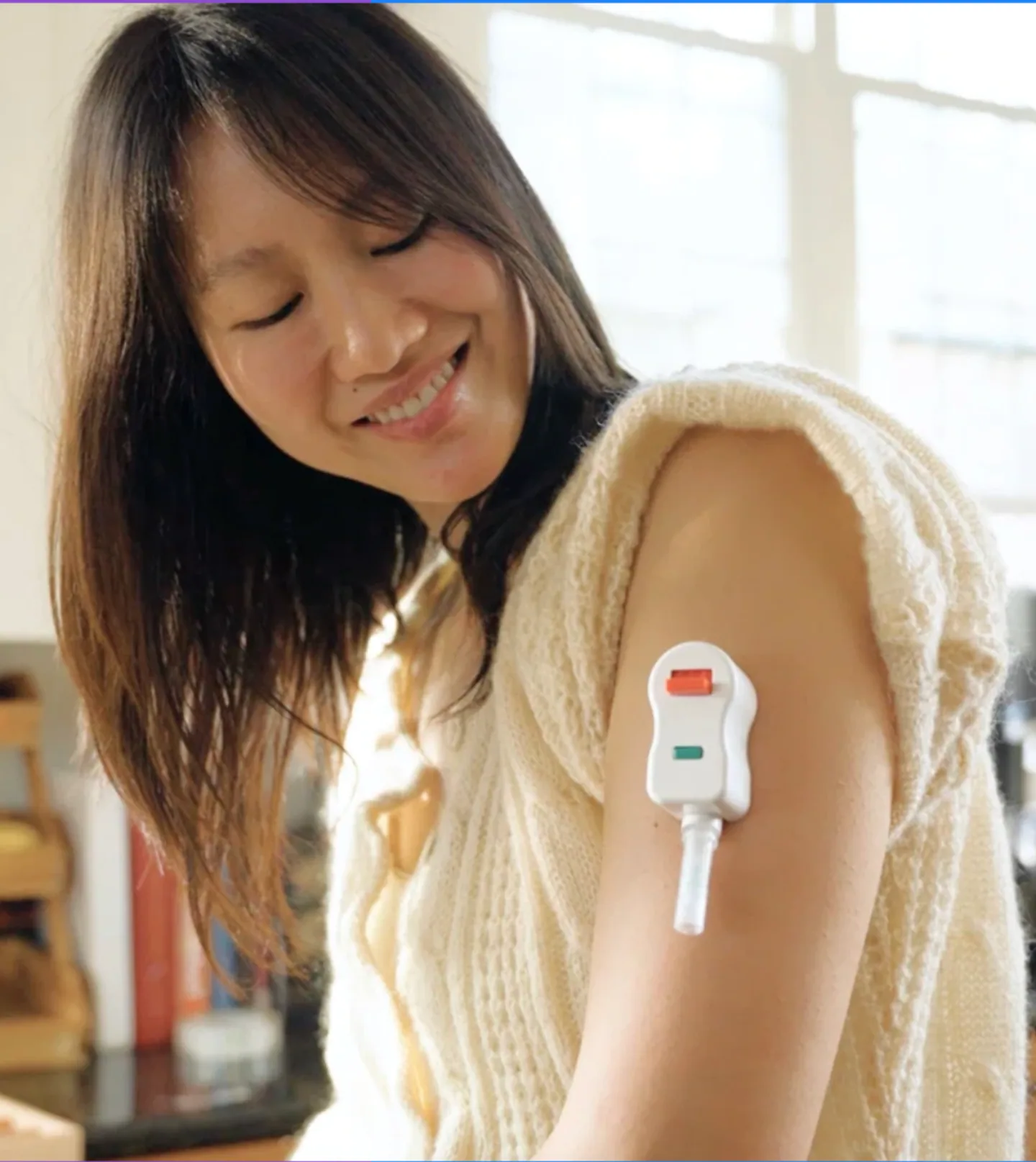
Vitamin & supplement pricing varies by ingredients, dosages, supply length (90 or 120 days), and format (capsules or powder).
Full ingredient catalogSwipe or use the arrows 1 / 30
Vitamins
Methylcobalamin is an active form of vitamin B12 used in supplement formulations.
Active vitamin form
Vitamin B12 contributes to normal red blood cell formation, neurological function, and cellular energy metabolism.
Folate and vitamin B6 in formulas designed around red blood cell formation and homocysteine metabolism.
Vitamin B12 absorption depends on digestive function and intrinsic factor; the supplemental form and delivery method also matter.
General ingredient information only. Your clinical team determines whether an ingredient is appropriate for your plan.

Dietary supplements only. Not medication. Dietary supplements are not intended to diagnose, treat, cure, or prevent disease.
Published prices. Included services. Clear choices.
| What to compare | CULTR Core | Hone Premium | Marek Guided Optimization |
|---|---|---|---|
| Program fee | $150.49–$199/month 2 months collected at signup | $155/month | $299 one-time intake |
| Initial lab & visit costs | $139 kit + $79.99 visit | $65 lab panel + $25 if TRT is considered | Lab panel from $450 |
| Where you test | At-home CULTR blood test | Partner lab | Quest or LabCorp Home draw can be arranged |
| Blood test coverage | Up to 65 listed biomarkers Sex-specific panel coverage varies | 50+ initially | Personalized lab panel |
| Repeat testing | Purchased separately | Included 3, 6, 9, 12, 18 & 24 months | Purchased separately |
| Provider follow-up | First 3 follow-up doctor visits included | Video visits included | Provider + health coach Monthly coach check-ins |
| Treatment costs | 1 Foundation Therapy included | Medications cost extra | Prescriptions & supplements cost extra |
Swipe to compare features
Different bundles; compare included services. Core pricing depends on therapy. Shipping and tax are extra; treatment requires eligibility. See all CULTR memberships.
Initial costs are additional to program fees. Core collects 2 months at signup; its default kit is a CULTR self-collection blood test and extra products or supplements cost extra. Hone Premium includes initial and follow-up video visits; clinicians adjust lab schedules. Its $25 TRT charge is a confirmatory test. Marek figures refer to Guided Optimization. Home blood draws can be arranged in most areas; required labs, prescriptions and supplements cost extra.
Biomarker counts do not mean equivalent coverage. Hone terms refer to its published men’s and women’s Premium programs. Marek’s pages list different counts and visit lengths, so no fixed number or duration is claimed here.
Cost clarity is part of clinical trust. Exact pricing, cadence, included labs or visits, and possible additional costs should appear before a patient commits.
Review membershipsClinical review

Medical director · Internal medicine
A former Doctors Without Borders clinician with more than 20 years of experience across primary care, hospital medicine, wound care, hyperbaric medicine, and integrative regenerative care. He guides CULTR’s evidence-based longevity and optimization model.

Physician assistant · Dietetics-trained clinician
A certified physician assistant with formal training in dietetics and experience across surgery, acute care, internal medicine, urology, and women’s health. Her multidisciplinary background supports thoughtful, personalized care grounded in nutrition and whole-person health.
Swipe to explore
Illustrative progress view
A simple view for labs, trends, and provider context.
Illustrative interface · not member results or a treatment forecast.
Sample timeline
Move the slider to see illustrative values.
Not patient results or a treatment forecast.
Timeline: ~1 month in
Evaluate your options
| Decision point | CULTR approach | Ask any provider |
|---|---|---|
| Clinical oversight | Licensed-provider evaluation | Who reviews my care? |
| Comprehensive testing | Panel-specific biomarkers | Which labs are included? |
| Prescription eligibility | Only when appropriate | How is eligibility decided? |
| Follow-up | Re-testing and review cadence | How is progress reviewed? |
| Cost clarity | Reviewed before enrollment | What is included? |
Swipe to explore
Private marketplace access and member education.
$49/ monthFirst 60 days paid at signup; renews every 30 days thereafter
Best forMarketplace access & discovery
Starting at$150.49–$199/ month2 month commitment
Final monthly amount depends on selected therapy.
Best forFoundational health
$499/ month2 month commitment or annually 10% off
Best for:Multi-therapy protocol stacking and optimization.
$1,049/ month2 month commitment or annually for 15% off
Best for:Deep regenerative and executive care.
All prices are in U.S. dollars (USD). Club products are purchased separately. Review the selected membership, available products, included services, and itemized charges before enrollment. Prescription products require provider evaluation and a valid prescription; not all patients qualify.
Questions
If eligible, you continue to a secure profile. A licensed provider reviews your history and labs before deciding whether treatment is appropriate.
Club provides access to eligible add-ons and supplements, purchased separately. GLP-1 and TRT programs require Core or above. Core includes one foundation therapy; Catalyst+ includes one foundation and up to two peptide add-ons; Concierge includes up to two foundations and four peptide add-ons, subject to the published plan and clinical eligibility. Catalog access does not mean every product or dose is included. Prescription decisions remain with your provider.
No. Compounded medications are not FDA-approved. They require clinical evaluation and a valid prescription; not all patients qualify.
Telehealth is currently available to eligible patients physically located in Florida at consultation.
Yes. We work with CLIA/CAP-accredited labs, and our tests show 95%–99% correlation with traditional venous blood draws. We regularly validate results against Labcorp and Quest.
Core requires an initial CULTR blood test. Catalyst+ includes a second blood test with clinical review after two months of therapy. Concierge includes CULTR blood testing every two months, up to six tests per membership year including the initial test. Your care team confirms the testing schedule and any clinical prerequisites.
The assessment helps gather context for eligibility and provider review. It is not a diagnosis and does not guarantee treatment.
Explore assessments